
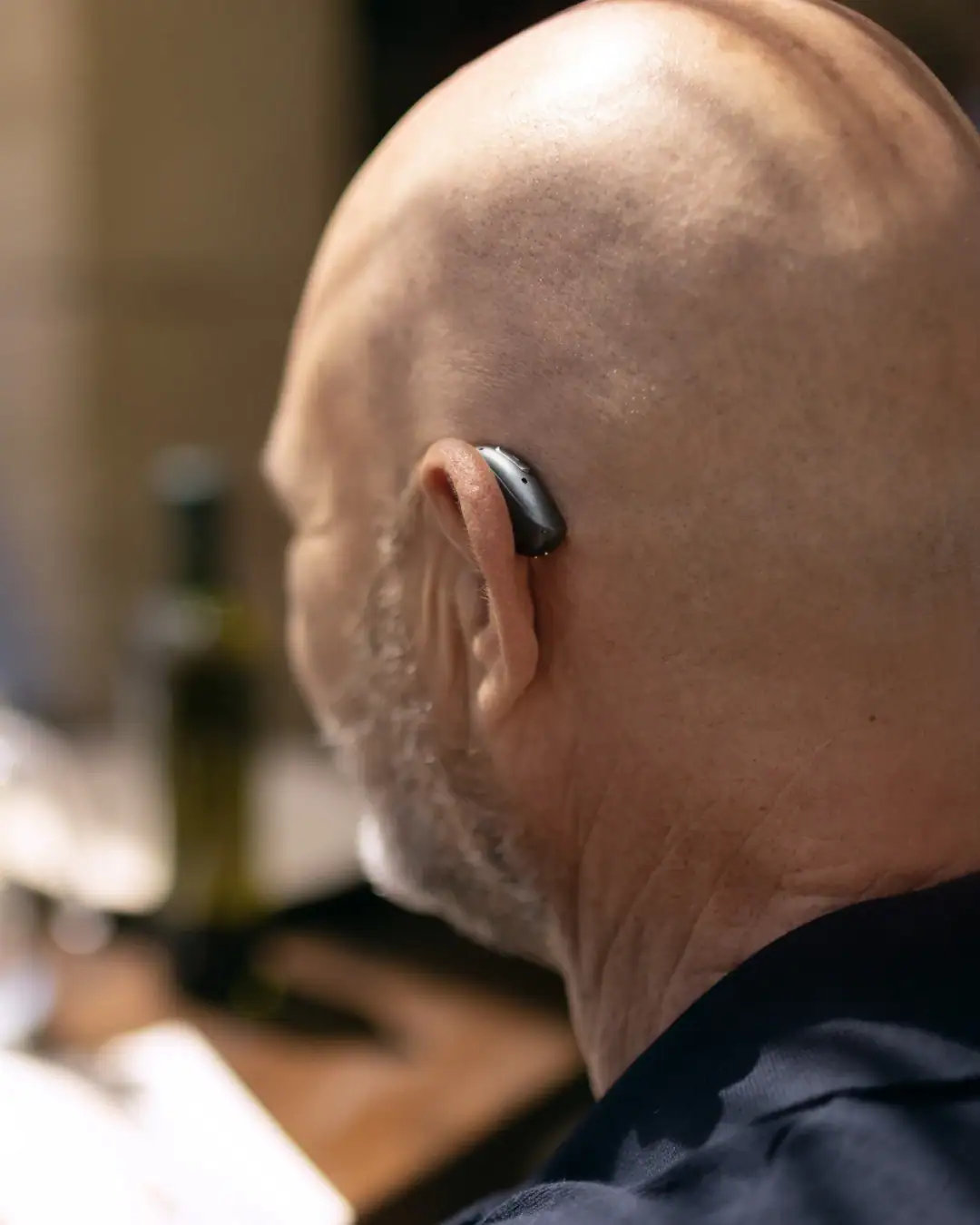
31 Aug AI Hearing Aids Compared: Oticon Reveal, Phonak EON Sphere, Starkey Omega and Widex Allure
Artificial intelligence (AI) is suddenly everywhere in hearing aid advertising. The problem is that the same two letters are being used to describe devices that work in very different ways.
Some hearing aids use AI automatically throughout the day. Others reserve their most powerful AI processing for difficult listening situations, while some let the wearer decide when to activate it. That makes the label ‘AI hearing aid’ less useful than understanding what the technology is actually doing for you.
As an independent hearing clinic, Adelaide Hearing is not tied to one manufacturer. We can compare different brands against your hearing, lifestyle and preferences, rather than starting with a brand and trying to make you fit it.
What Does AI Mean in a Hearing Aid?
Most of the AI discussed in modern hearing aids involves a deep neural network (DNN). During product development, a DNN is trained on many examples of speech, background noise and real-world sound environments. The trained model is then built into the hearing aid, where it can help recognise patterns and guide how the device responds in real time.
That does not usually mean the hearing aid is continually teaching itself while it is in your ear. It is applying a model that was trained earlier, alongside established hearing aid technologies such as amplification, directional microphones, compression and noise reduction.
Three Questions That Make AI Easier to Compare
- How is it built in? AI may share the main hearing aid processor or use a separate co-processor. This can influence processing capability, physical size and power use.
- When does it work? It may operate automatically all day, switch into stronger processing when noise increases or wait for the wearer to activate it.
- What is it designed to prioritise? One system may focus strongly on separating speech from noise, while another may aim to balance speech clarity with awareness of the surrounding soundscape.
How the Latest AI Hearing Aids Compare
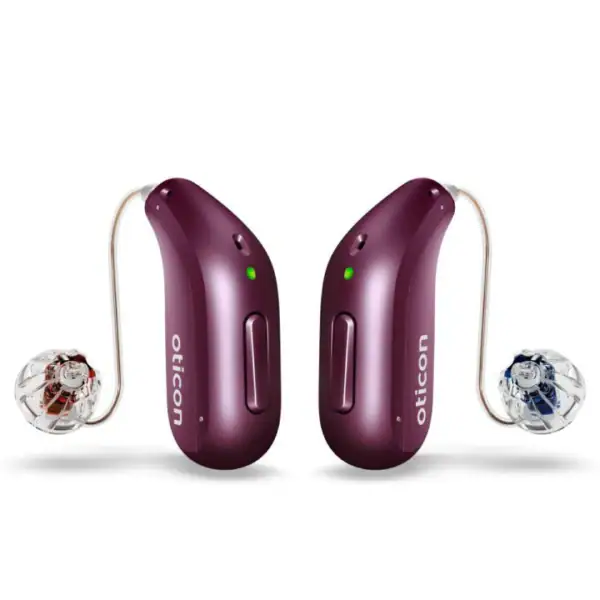
Oticon Reveal
Oticon Reveal was announced in August 2026 and introduces what Oticon calls Dual AI. Speech AI is designed to identify and enhance speech, while Context AI is intended to preserve meaningful sounds around the wearer. Both systems operate automatically and continuously, without a manual AI mode.
This may appeal to people who want their hearing aids to work in the background and maintain access to both conversation and environmental context. Reveal is very new, so its performance claims are currently based on Oticon’s own research. Independent product testing will provide a clearer comparison over time. Please contact Adelaide Hearing for current Australian availability.
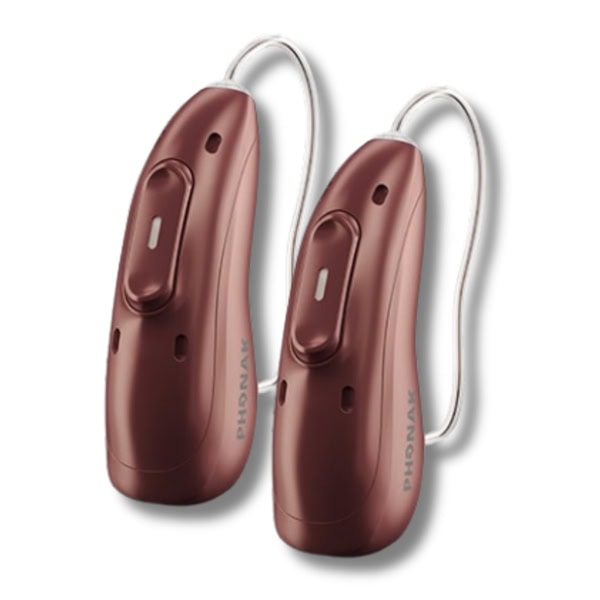
Phonak Audéo EON Sphere
Phonak takes a different hardware approach. Audéo EON Sphere pairs its ERA connectivity chip with HYPERSONIC, a dedicated AI chip designed to separate speech from noise. Its Spheric Speech Clarity 3.0 processing is applied automatically when the listening environment becomes more complex, and Phonak says it now switches on at lower noise levels and stays engaged for longer.
Independent laboratory testing by HearAdvisor in September 2026 has found particularly strong speech-in-noise performance. For someone whose greatest difficulty is following conversation in busy venues, that makes EON Sphere an important option to discuss, alongside practical considerations such as fit, size, connectivity and real-world battery use.
Phonak reports that EON is 25% smaller and 20% lighter than its previous generation, with up to 38 hours of battery life per charge in less intensive use, or around 22 hours in mixed use that includes streaming. As with all manufacturer figures, real-world results will vary.
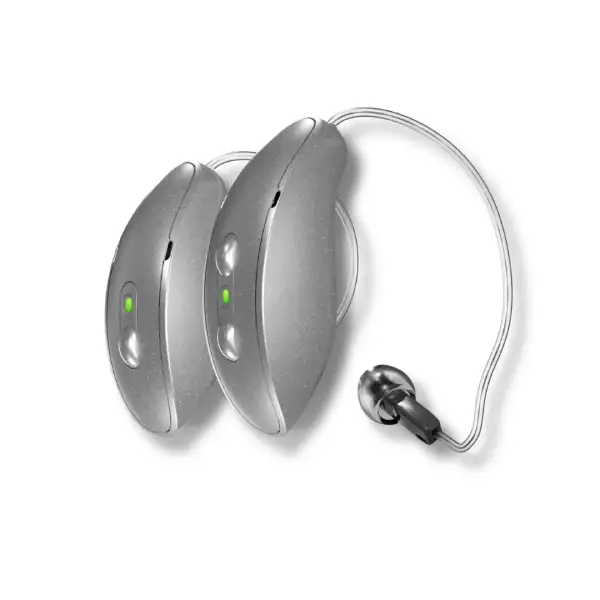
Starkey Omega AI
Starkey Omega AI uses DNN 360, which applies multiple neural-network processes to adapt its directional response as the listening scene changes. It works automatically, while Edge Mode+ provides an on-demand option when the wearer wants additional optimisation in a difficult moment.
This combination may suit people who want automatic support most of the time but also like having some control available through the hearing aid or My Starkey app.
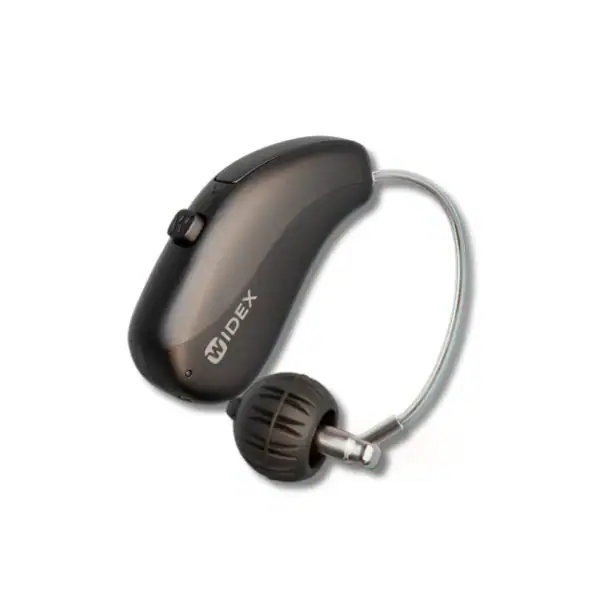
Widex Allure AI RIC
Widex Allure AI RIC keeps its established Universal program as the everyday foundation, with a dedicated AI co-processor available through Clarity Boost. The wearer activates Clarity Boost when extra help is wanted in background noise.
This approach preserves Widex’s natural-sound philosophy for day-to-day listening while making stronger AI-based support available on demand. The trade-off is that the wearer needs to recognise the difficult situation and activate the program.
So, Which AI Hearing Aid Is Best?
There is no single winner for every person. A useful comparison starts with your hearing and the situations you want to improve, not the number of chips or the size of a manufacturer’s AI claim.
During an assessment, we would consider:
- where you find listening most difficult, including restaurants, meetings, family gatherings or outdoors
- whether you prefer fully automatic support or want manual control
- how much environmental awareness and sound naturalness matter to you
- your hearing loss, ear anatomy, dexterity, phone connectivity and battery needs
- how each option performs when it is professionally fitted and verified for your ears
Frequently Asked Questions About AI Hearing Aids
Do AI hearing aids work better than older hearing aids? They can provide meaningful advantages in complex listening situations, particularly when separating speech from competing noise. The benefit varies between people, products, programs and fittings.
Is AI always switched on? No. Oticon Reveal is designed around continuous Dual AI, Phonak applies its dedicated processing automatically in complex noise, Starkey combines automatic processing with Edge Mode+ and Widex Clarity Boost is user activated.
Does AI reduce battery life? Advanced processing requires power, but manufacturers manage it in different ways. Published maximum battery figures are useful guides, although streaming, hearing loss, feature use and battery condition all affect real-world runtime.
Are newer AI hearing aids automatically better? No. New architecture can be promising without outperforming a mature platform in every measure. Independent testing, a properly verified fitting and your own experience are more useful than the launch date alone.
Can an AI hearing aid help with tinnitus? Some devices include separate tinnitus support features, but those are different from the AI systems used for speech and noise. Tinnitus should be discussed as part of your assessment, so the recommendation reflects your specific symptoms and needs.
Why the Fitting Still Matters Most
Even the most sophisticated hearing aid can underperform if it is not fitted and verified correctly. Real ear measurement allows an audiologist to check what the device is delivering in your ear, rather than relying only on the manufacturer’s first-fit software. Follow-up appointments then allow the settings to be refined as you use the hearing aids in real life.
Jason’s verdict
AI has given manufacturers more sophisticated ways to manage speech, noise and changing environments, but the best technology is still the technology that is right for you. My role is to explain the differences honestly, verify the fitting against your hearing and keep adjusting it until it is helping where you actually need it.
If you would like an independent comparison of your options, book a hearing assessment at Adelaide Hearing’s Fulham Gardens or Mitcham Square clinic, or call 08 8357 2290. Book an appointment online.